

Not every printed image sold for a wall has the same origin, purpose or relationship to the artist’s work.
A decorative poster may be selected mainly because its colours suit a particular interior trend. A licensed art print reproduces an identified artwork through an authorised commercial arrangement, subject to the rights and conditions granted by the relevant rights holder.
Understanding this difference can help homeowners make a more informed decision about what they place in a prominent part of their home.

What Is a Licensed Art Print?
A licensed art print is produced or marketed with permission from the appropriate copyright owner, estate, publisher or authorised licensing party.
Depending on the particular product and licence, the artwork information may identify:
- the artist;
- the artwork title;
- the original creation date;
- the publisher;
- the copyright notice; or
- other relevant attribution.
A licensed reproduction should not automatically be confused with an original artwork or limited-edition print. These are separate categories with different methods of production, scarcity and value.
What Is a Decorative Poster?
A decorative poster is generally chosen to provide colour, pattern or imagery for an interior.
Some posters are legitimately licensed and well produced. Others may use generic imagery, public-domain material or content whose source is not clearly explained.
The term “poster” therefore does not automatically indicate poor quality, just as “art print” does not automatically indicate rarity or investment value.
The important question is whether the product clearly explains what the image is and how it has been reproduced.
Why Authorship Changes the Experience
Knowing the artist and artwork can add another layer of meaning to the room.
Instead of selecting an anonymous composition merely because it matches the sofa, the homeowner can engage with:
- the artist’s visual language;
- the period in which the work was made;
- the ideas behind the image;
- the emotional response it creates; and
- the reason it belongs in the home.
That context can make the interior feel collected rather than decorated.
Licensed Art and Furniture Can Work Together
Choosing recognised art does not mean designing the entire room around the artist.
The furniture should remain practical, comfortable and appropriate for daily life. The artwork can then introduce history, colour and cultural reference.
For example:
- Monet can soften a contemporary neutral room.
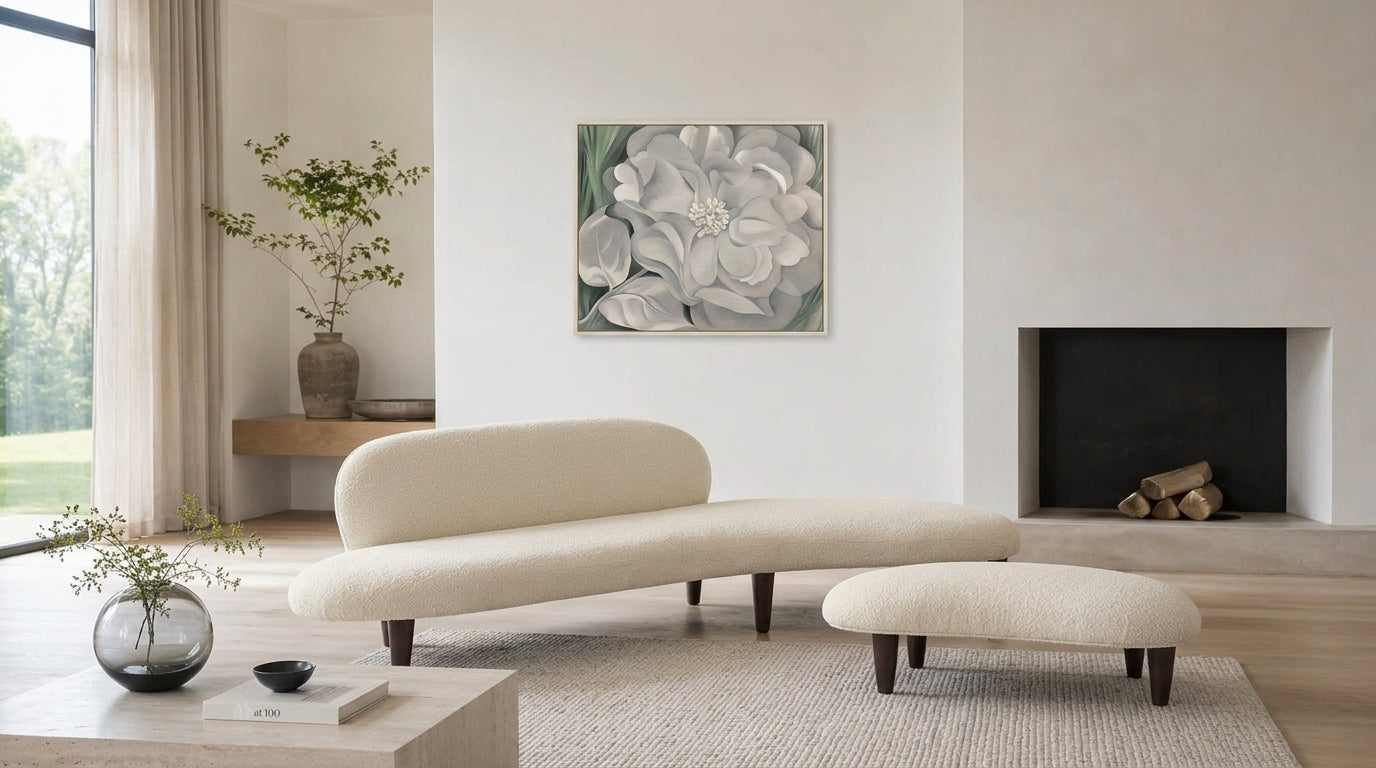
- Georgia O’Keeffe can bring organic form to minimalist furniture.
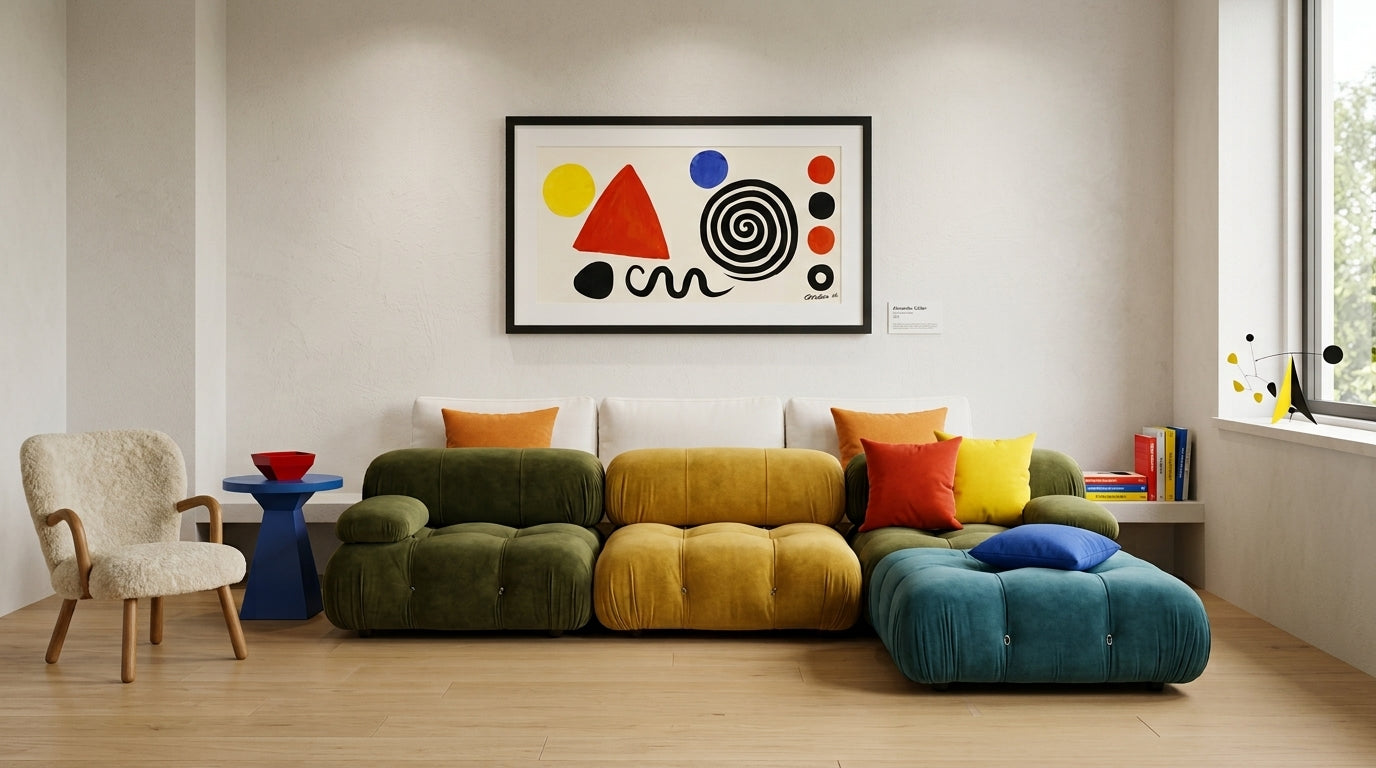
- Alexander Calder can add movement to architectural interiors.
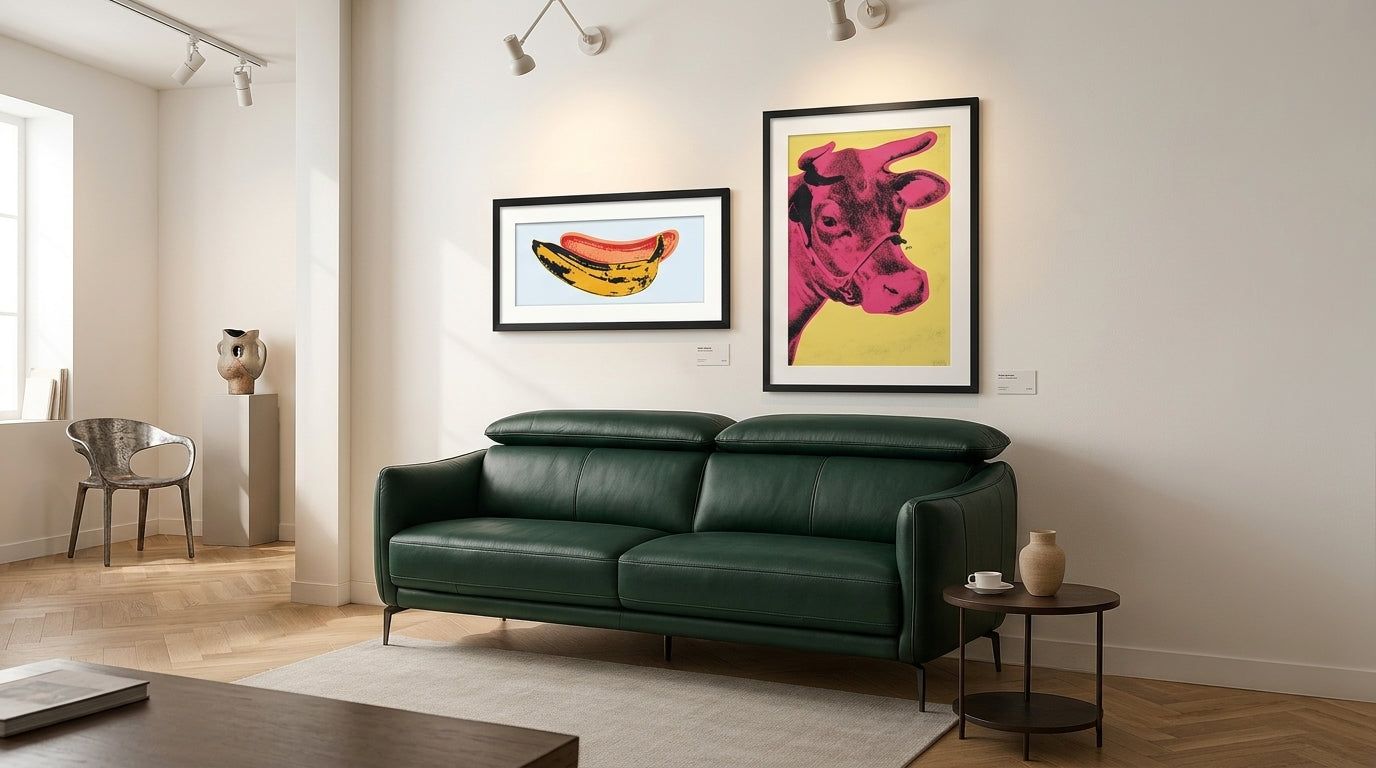
- Andy Warhol can introduce colour to restrained modern furniture.
- Morris Louis can create scale and atmosphere on a large wall.
Color Field artists such as Morris Louis explored the visual power of broad, stained areas of colour, making their work especially relevant to interiors where colour itself becomes the main experience.
Ask What You Are Buying
Before purchasing a print, consider:
- Is the artist and artwork identified?
- Is the image legitimately reproduced?
- Is the edition type clearly stated?
- What framing and glazing are included?
- Will the image size suit the intended wall?
- Does the seller distinguish a reproduction from an original or limited edition?
- Does the artwork have a meaningful relationship with the room?
Clear information builds confidence and helps prevent decorative terminology from being misunderstood.
From Decoration to a Collected Interior
A collected home does not need to contain only expensive originals.
It can combine well-designed furniture, personal objects and properly presented art selected with intention. The difference lies in understanding what each piece is and why it has been chosen.
At Picket&Rail, licensed art is presented as part of the complete interior—not merely as an accessory added after the furniture has been delivered.
Explore Licensed Art for the Home
Discover licensed artworks from recognised artists and see how they can be coordinated with Picket&Rail sofas, dining furniture, solid wood collections and custom cabinetry.