

Choosing a bed frame today often means deciding between solid wood and engineered wood. Both materials have evolved significantly over time, and each offers distinct advantages depending on how the bed will be used. Understanding the differences can help you make a more informed decision that suits your living needs, design preferences, and long-term expectations.

Understanding Solid Wood Bed Frames
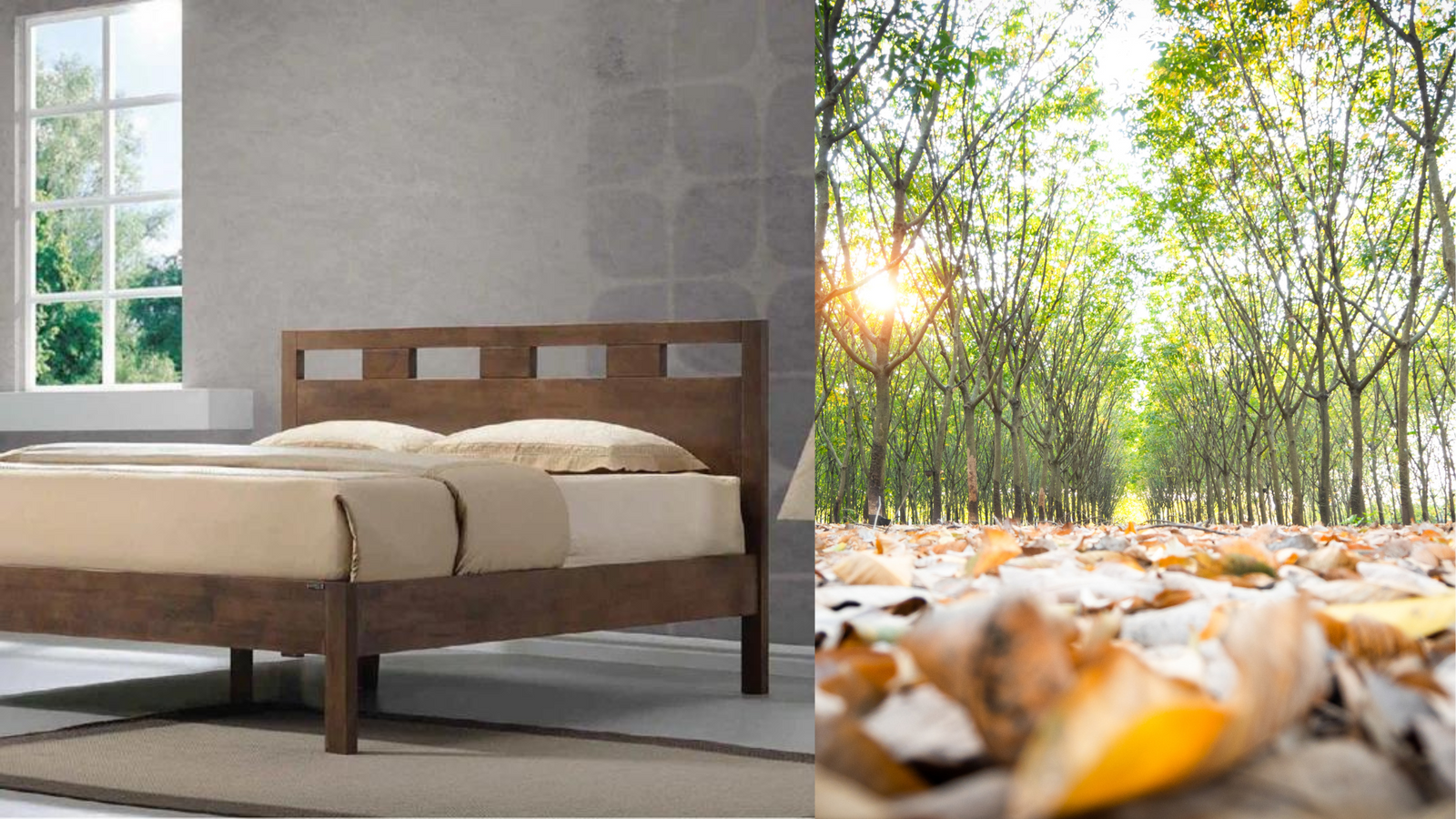
Solid wood bed frames are made from natural timber that is cut, shaped, and assembled without being broken down into composite materials. Common hardwoods include oak, walnut, maple, and rubberwood. Solid wood is valued for its natural grain, material integrity, and ability to age gracefully over time.
Because it is a single, continuous material, solid wood develops character as it matures. With proper construction and care, solid wood bed frames can last for decades, making them a popular choice for those who prioritise longevity and classic appeal.
Understanding Engineered Wood Bed Frames
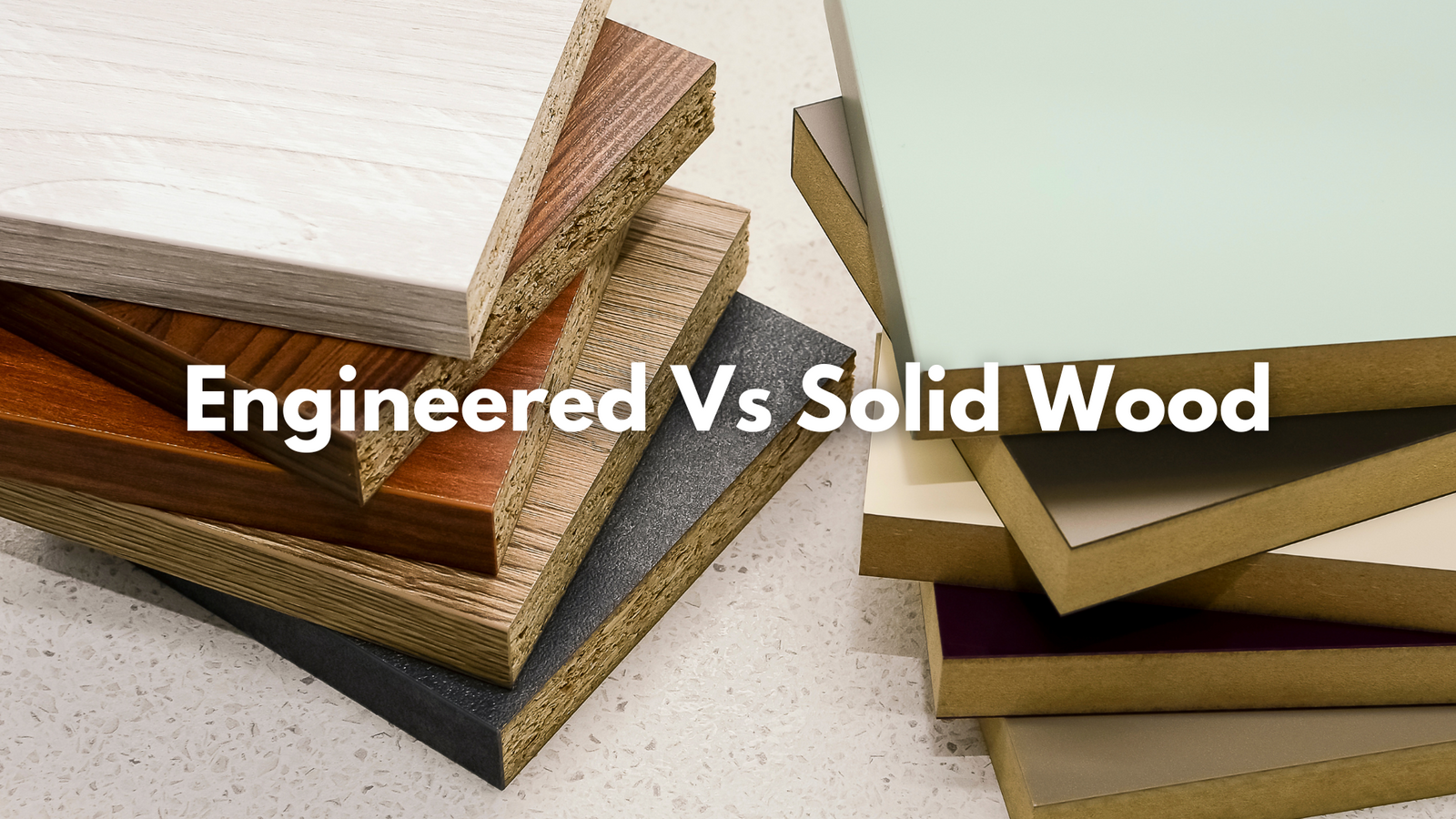
Engineered wood is created by bonding wood fibres, veneers, or layers together using adhesives. Materials such as plywood, MDF, and particle board fall under this category. Modern engineered wood has improved significantly in strength, consistency, and stability compared to earlier generations.
One of the key advantages of engineered wood is its dimensional stability. Because it is designed to resist warping, swelling, and shrinking, engineered wood performs particularly well in applications that involve moving components, such as drawers or hinged storage compartments.
Durability and Longevity
Solid wood has long been associated with durability and long service life. When properly constructed, it can withstand years of daily use and often becomes more visually appealing with age.
Engineered wood, however, has narrowed the durability gap considerably. High-quality engineered panels are designed to remain stable under pressure and environmental changes, reducing issues such as warping. While engineered wood may not match the decades-long lifespan of solid hardwood in all cases, it offers reliable durability for modern living conditions.
Aesthetic Character and Design Flexibility
Solid wood offers natural variation in grain and tone, giving each bed frame a unique appearance. This organic quality makes solid wood especially appealing for timeless or character-driven interiors.
Engineered wood offers greater surface consistency and design flexibility. Advances in finishes, such as melamine-hardened surfaces, allow engineered wood to achieve a wide range of looks while offering resistance to scratches, heat, and moisture. This makes it well-suited for contemporary interiors and functional designs.
Suitability for Storage Bed Designs
For bed frames with integrated storage, engineered wood often has a practical advantage. Its resistance to warping and swelling makes it ideal for drawers, cabinets, and compartments that require precise alignment and smooth operation, especially in humid environments.
Solid wood storage beds, when properly engineered, can also perform well, but they require careful construction and material selection to ensure long-term functionality.
Sustainability and Material Considerations
Both solid wood and engineered wood can be environmentally responsible choices when sourced and manufactured correctly. Solid wood from sustainably managed forests supports renewable material use, while engineered wood often makes efficient use of recycled or waste wood.
When choosing engineered wood, it is important to look for low-emission, formaldehyde-free panels to support healthier indoor environments.
Maintenance and Everyday Care
Solid wood bed frames typically require more care over time, including protection from moisture and periodic maintenance to preserve the surface finish.
Engineered wood, particularly those with hardened surface treatments, is generally easier to maintain. These surfaces resist everyday wear and are well-suited for households that prioritise low-maintenance living.
Which Bed Frame Should You Choose?
The choice between solid wood and engineered wood depends on how you intend to use the bed. Solid wood is well suited for those who value material authenticity, long-term ownership, and timeless aesthetics. Engineered wood is an excellent option for functional designs, especially storage beds, where stability and consistency are key priorities.
Final Thoughts
Solid wood and engineered wood each serve different purposes in modern bedroom design. Rather than one being universally better, the right choice depends on your lifestyle, space requirements, and expectations for longevity and maintenance. Understanding how each material performs allows you to choose a bed frame that supports both comfort and everyday living.
Recommended Links
- Tatami Storage Bed Collection.
- Single And Super Single Bed Frame Collection.
- Top 10 Best Storage Bed Features For Singapore.
- Top 10 Best Mattress Features For Better Sleep.
- 10 Dangers Of A Hydraulic Storage Bed.
- The Art of Tatami Sleeping.
- Learn more about Tatami Beds.
- To keep in touch with us about the latest deals follow us on Facebook .